
March 20, 2026: Bath Time, Clippers, and Real-Life Horse Hair
As usual, a casual barn conversation this week got my attention.
Someone mentioned they only bathe their horse maybe twice a year. I am fairly certain my face immediately revealed what I was thinking. Shock might be the most accurate description. Really? Meanwhile, I’ve been over here wondering if I am overworking both of us in the grooming department. Spoiler alert: I am!
It was a good reminder that horse care, like most things in horsemanship, is rarely one-size-fits-all. What works beautifully for one horse, climate, or discipline may not make sense for another.
So let’s talk about bathing. Not the sparkling-show-ring version, but the practical, everyday kind that keeps horses comfortable, healthy, and ready to do their jobs.
Horse care often looks simple from the outside.
You brush them. You ride them. Occasionally you give them a bath. Easy enough, right?
Like most things in horsemanship, the reality is a little more nuanced.
Bathing a horse is less about making them sparkle and more about comfort, skin health, and thoughtful timing. Horses produce natural oils that help protect their skin and coat. Frequent full baths with shampoo can strip those oils away, which is why many owners choose to reserve true bathing for specific situations. Think competitions, photo opportunities, heavy sweat buildup, or particularly muddy adventures.
More commonly, we rinse.
After a ride or workout, rinsing sweat from the coat helps prevent irritation and keeps the horse cooler without disrupting the natural balance of the skin. At our barn we are fortunate to have warm water available year-round. In colder months, that makes a meaningful difference. Cold ground water may be refreshing in a Texas summer but is not ideal when temperatures drop.
When Bee does get a full bath, the process is fairly methodical. We begin by thoroughly wetting the entire coat, taking care around the face and ears, not Bee’s favorite. A gentle equine shampoo is worked in with a sponge or soft brush, focusing on sweat-prone areas like behind the elbows, under the saddle pad area, and along the neck. Soap must be rinsed completely. Residue can cause itching and discomfort once the coat dries.
Drying is just as important as bathing. On warm days, air drying in the sun works beautifully. On cooler days, we use a sweat scraper to remove excess water and keep her moving so her body temperature stays comfortable. Horses do not appreciate standing wet and chilly any more than we would.
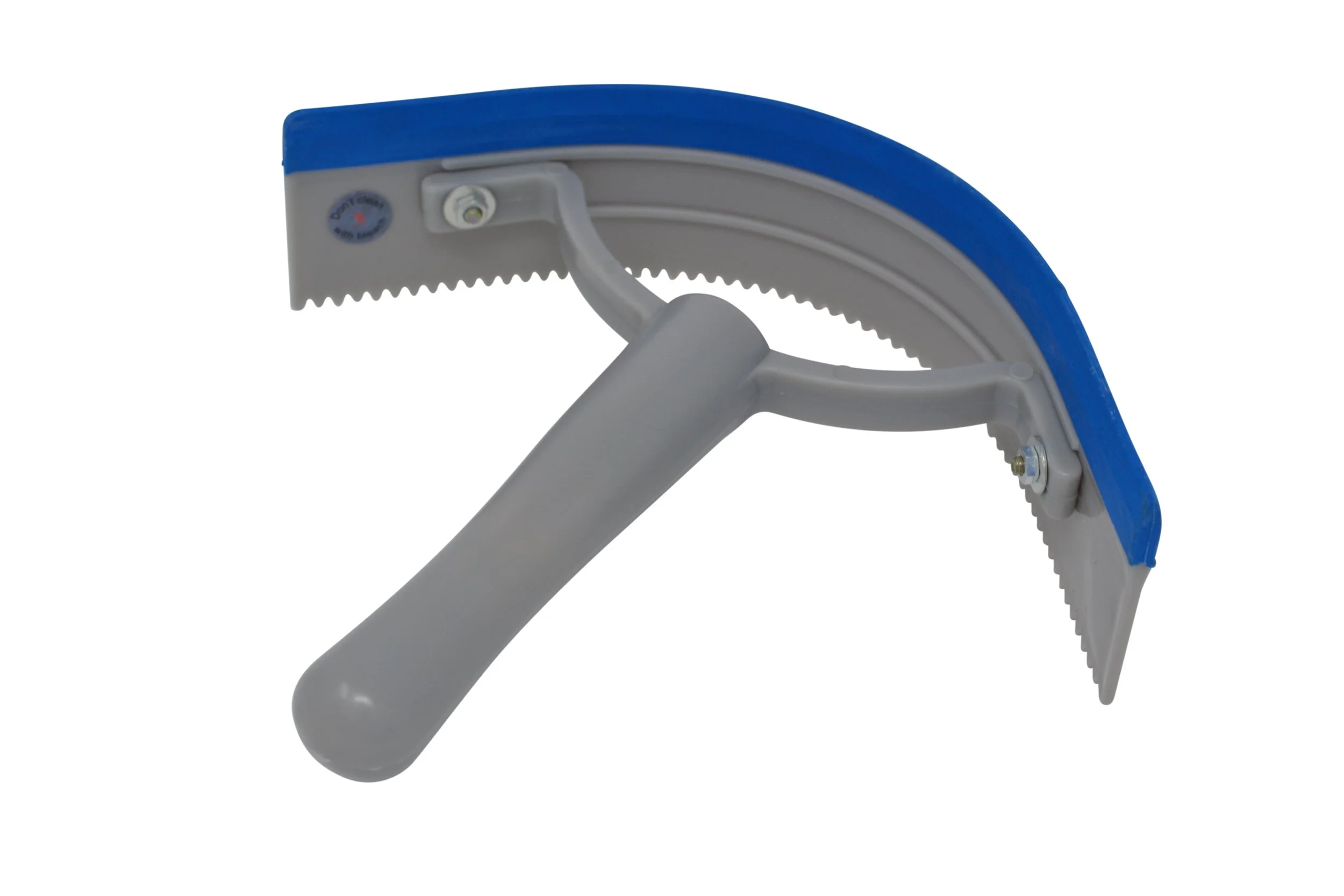
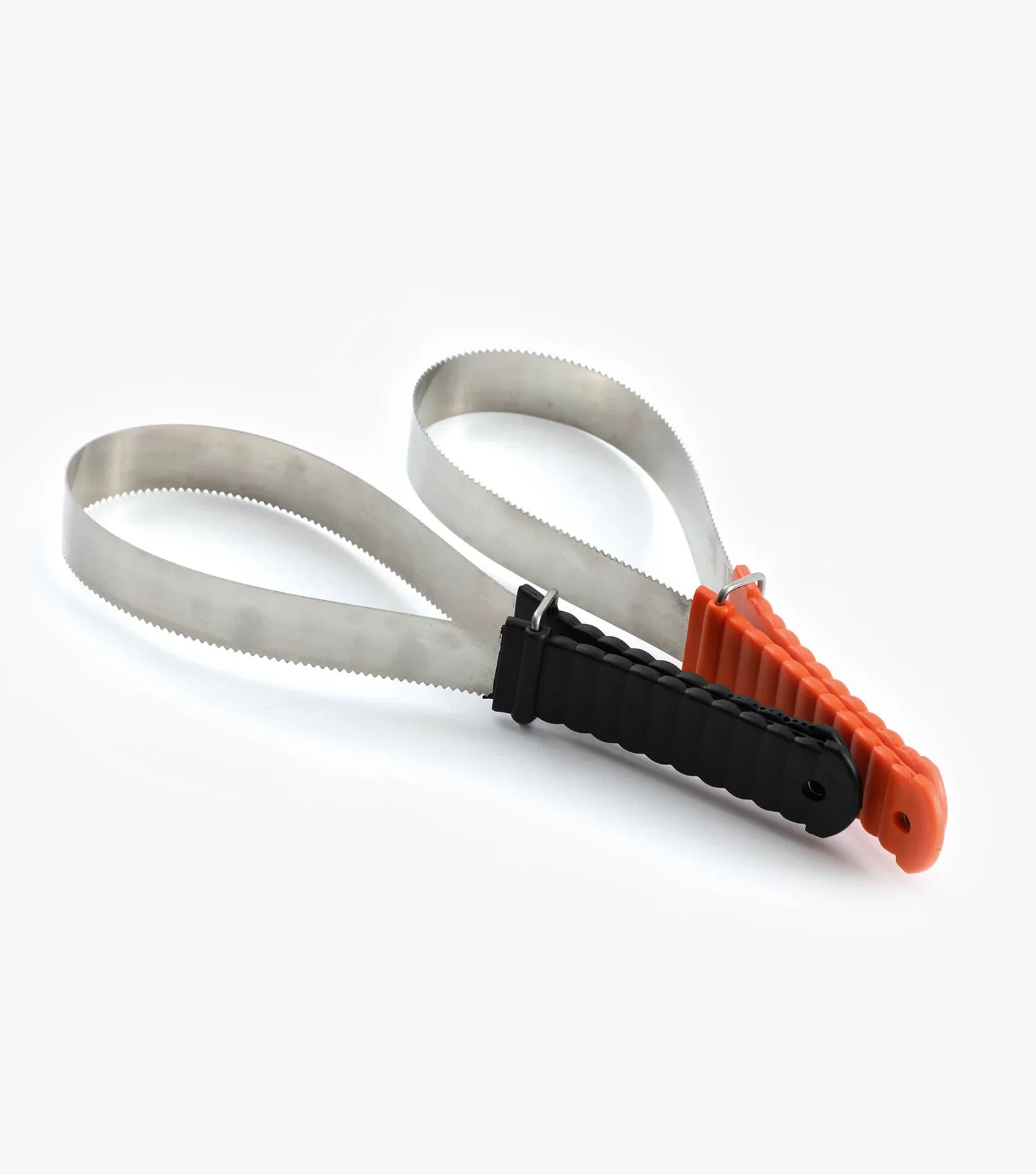
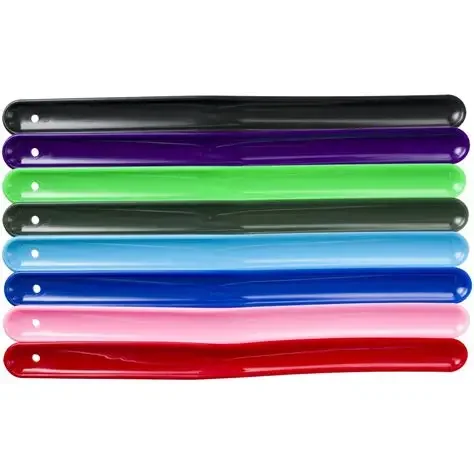
Bathing is only one piece of the grooming picture. Most days, real horse care looks less like shampoo commercials and more like a quiet routine with a well-worn tote full of brushes. Or in many cases, an overstuffed grooming bag that has evolved into pure chaos. Somehow mine always contains three curry combs, two empty fly spray bottles, a glove I thought I lost in February 2025, and exactly zero of the brush I actually need in the moment.
A typical grooming routine starts with a curry comb worked in gentle circular motions to loosen dirt, dried sweat, and shedding hair. That debris is then flicked away with a stiffer dandy brush before finishing with a softer body brush that smooths the coat and brings out shine. A smaller face brush is used for sensitive areas, while a wide-tooth comb or detangling brush helps maintain the mane and tail. Hoof picks, often with a small brush attached, are used daily to remove rocks, mud, and debris that could lead to soreness or injury (we use this daily and the handy brush helps us clean fly boots off in between washings).
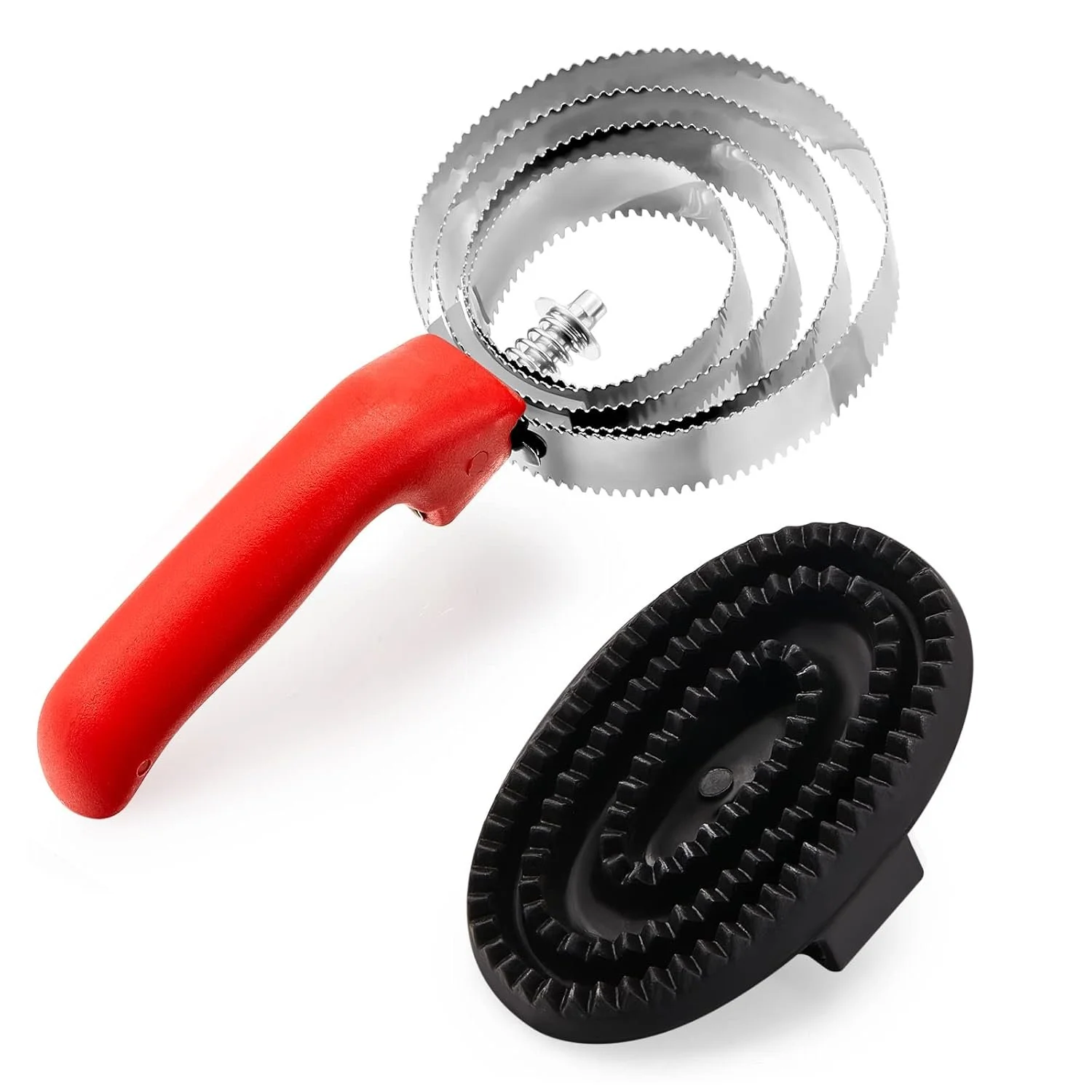
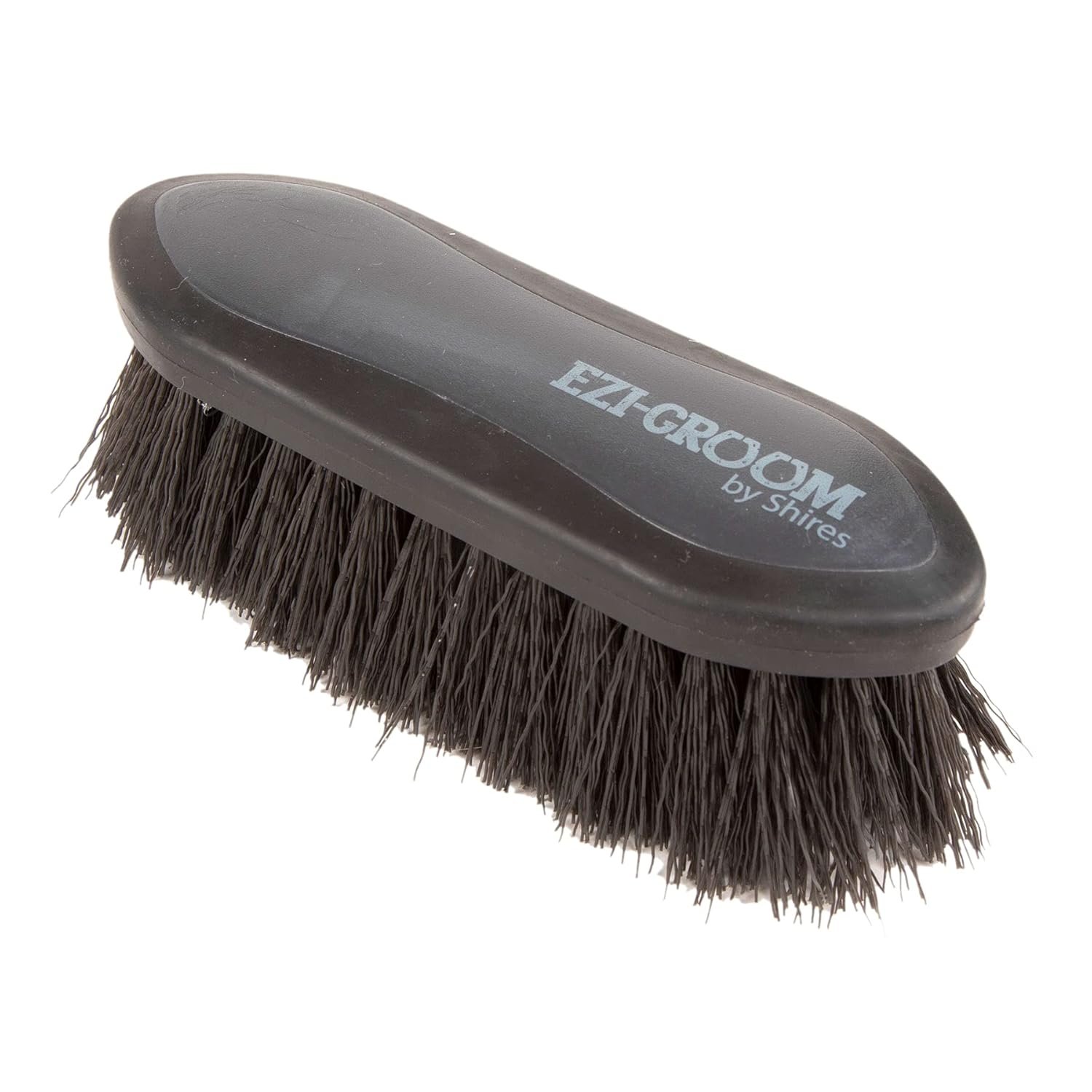
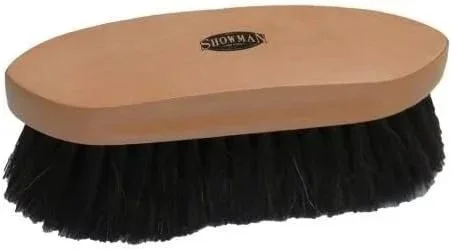
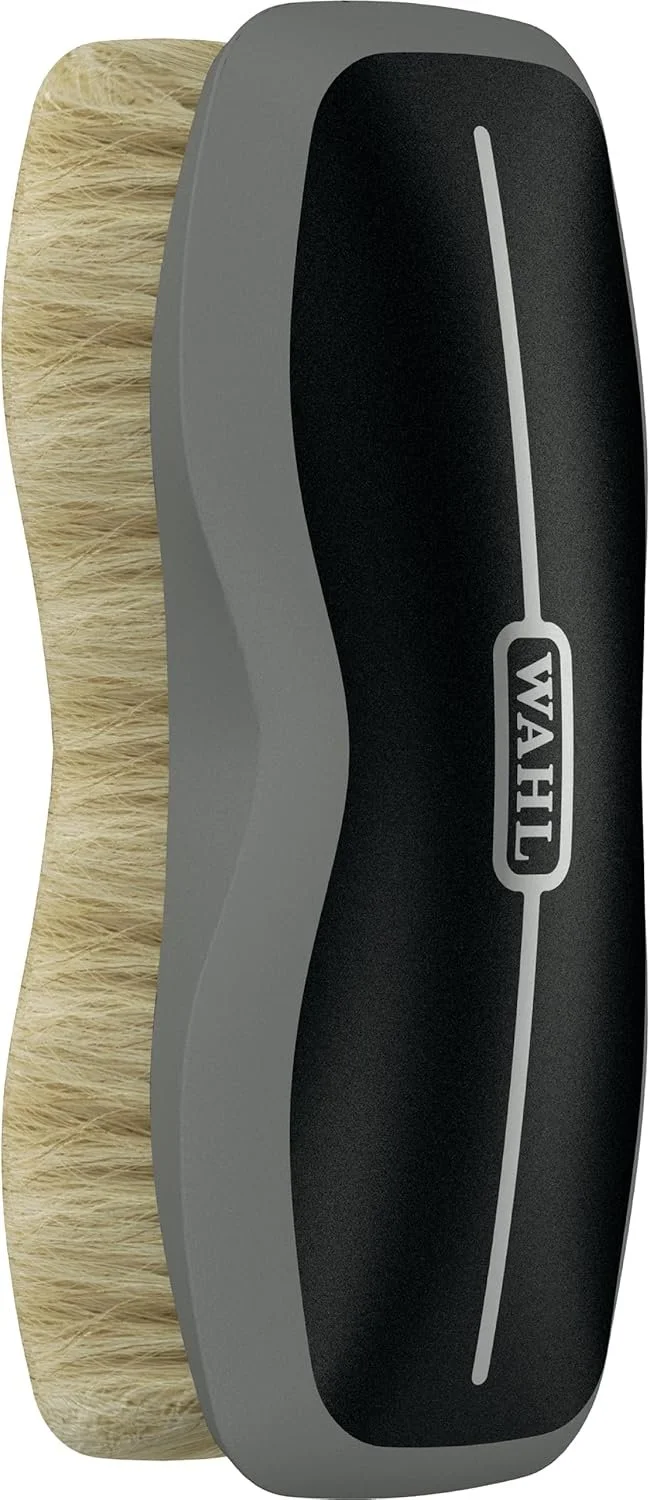
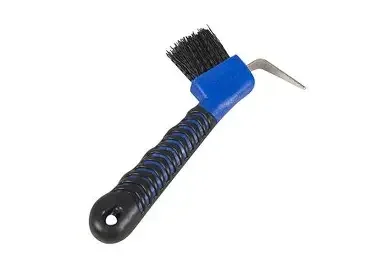
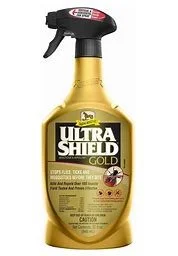
Grooming sprays also play a role. Coat conditioners help reduce breakage and make detangling easier. Fly sprays become essential as warmer weather approaches, offering relief from insects that can cause irritation and distraction during rides. Liniments and cooling sprays may be used after hard work to support recovery, while sunscreen products are sometimes applied to horses with pink noses or sensitive skin. Each item has a purpose, but collectively they can make even the most organized tack area look like a small retail display exploded.
Like bathing, grooming choices often come down to balance. The goal is not perfection. It is comfort, health, and attentiveness. A quick brush-off before a ride, a rinse after a sweaty workout, and thoughtful care of the mane, tail, and hooves all contribute to a horse that feels better in its own skin.
Her mane and tail require their own thoughtful care. They are not simply decorative. They help protect against flies and weather. Detangling starts at the bottom and works upward to minimize breakage. Conditioning helps maintain strength and manageability without the need for constant washing. (Bee says: (Mom’s clearly not a rookie, with three daughters who had long locks she was a pro from the beginning).
We also touched on bathing Bee’s more sensitive “bits” and general clipping considerations in a previous Weekly Buzz back on October 31. That conversation was less about shine and more about hygiene, comfort, and learning what good care really looks like in everyday barn life. Grooming is rarely just cosmetic. It is often practical, preventative, and deeply tied to overall health.
I asked Bee to offer her own professional opinion on bath time:
“After a workout, I do enjoy the cool water on my legs, my body, my belly, and about halfway up my neck. That part feels productive and refreshing. However, if the hose nozzle gets any closer to my ears, I will be exiting the situation immediately. A warm wash cloth on my eyes and face is acceptable. Quite pleasant, actually. The ears remain a firm no.
As for my ‘bits,’ let’s just say we are not discussing them. Anyone attempting to negotiate access should be prepared for a swift reminder from my hind legs. Temperature is not a factor.
Occasionally, when water runs down my hindquarters in an unexpected way, I may briefly tuck my backend under like a reining horse sliding to a dramatic stop. This is simply good athletic form.
Spa days that involve curry combs, brushes, and general admiration are always welcome. I stand beautifully for daily hoof picking and for the farrier because I am, at my core, a professional.”
Reining sliding stop aka Bee when water runs down her backside.
Which brings us to another grooming topic that sparks plenty of opinions in the horse world. Clipping.
Some owners body clip their horses to help manage heavy winter coats or improve comfort during intense training. Others trim whiskers for a tidy show appearance, though whiskers actually serve an important sensory function. Roaching a mane, which means trimming it very short along the crest of the neck, is sometimes done for safety, convenience, or discipline-specific style.
Real life has introduced us to this possibility recently. Bee has developed a noticeably short section in her mane after getting it caught in the round bale more than once. It is a reminder that horses are wonderfully athletic and occasionally creative in how they style themselves. Trimming the entire mane to even things out is now a real consideration, even if it results in a more roached look than originally planned.
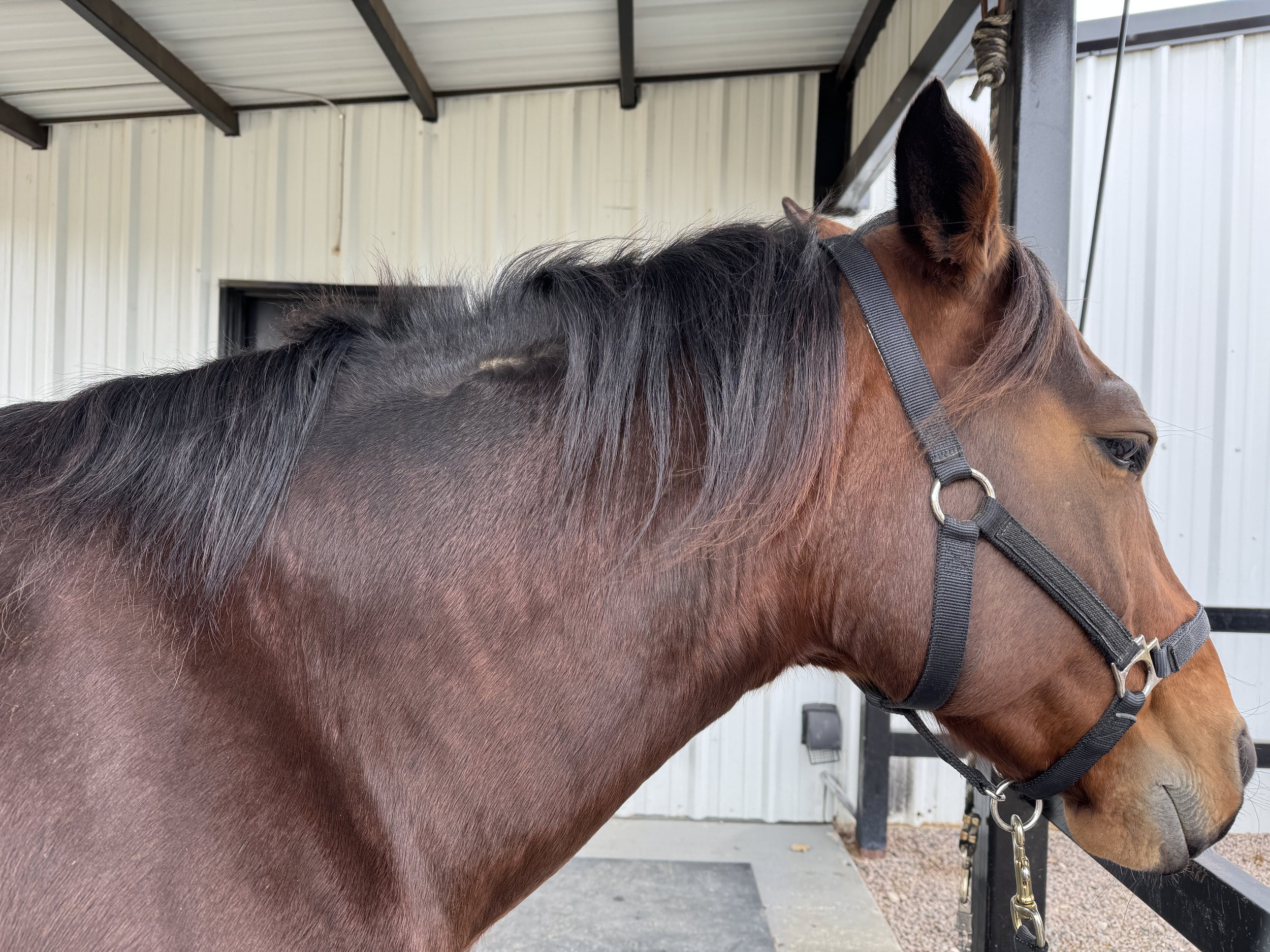
The Round Bale Chose Violence (and Bee’s RBF)
Like most grooming decisions, there is no single right answer. It is a balance of practicality, discipline expectations, horse comfort, and owner preference. I’ve been threatening to DIY it, but Bee seems to be doing that herself anyway. Bee likes her whiskers “au naturel”.
At the end of the day, good horsemanship is less about achieving perfection and more about paying attention. Clean enough. Comfortable enough. Safe enough. Those are often the real goals.
Bee may not always look like she stepped out of a show ring, but she is cared for thoughtfully and loved deeply. That counts for quite a lot.
Until next time,
Christina & Bee 🐝💛