
January 9, 2026: Emergency Dismounts, Spooks, and Riding Through the Scary Stuff
When Things Go Sideways
This week was a reminder that horses are horses. And sometimes, gravity wins.
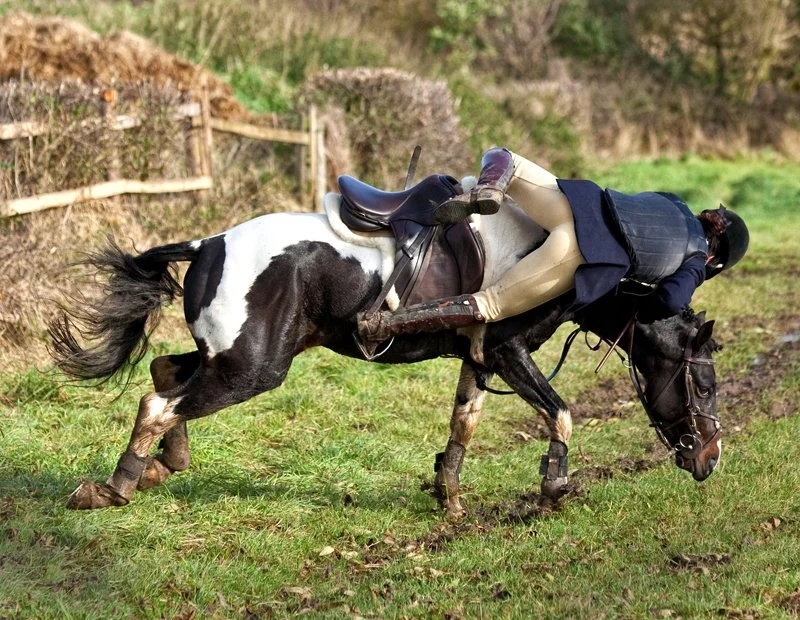
This week we had two riders come off of three horses here at the barn. Just to really drive the point home, the same rider came off a different horse (even she asked what the common denominator was). Everyone is okay, thankfully, but it was enough to make me stop and think.
Not panic.
Not overanalyze.
Just think.
Because falling off a horse is not a failure. It is part of riding.
Spooks Happen. Even on Good Days.
Our property is surrounded by just about everything a horse could possibly find suspicious.
Cattle.
Longhorns.
Other horses.
Wildlife.
People riding bikes.
Crews working power lines.
Mowers. Equipment.
And the occasional bird situation that feels straight out of an Alfred Hitchcock movie.
Most days, Bee takes it all in stride. Some days, something catches her attention just a little harder than usual. A flinch. A jump. A moment where she says, hey, did you see that?
Some spooks are small. Some are bigger. All of them are normal.
What a Spook Actually Feels Like
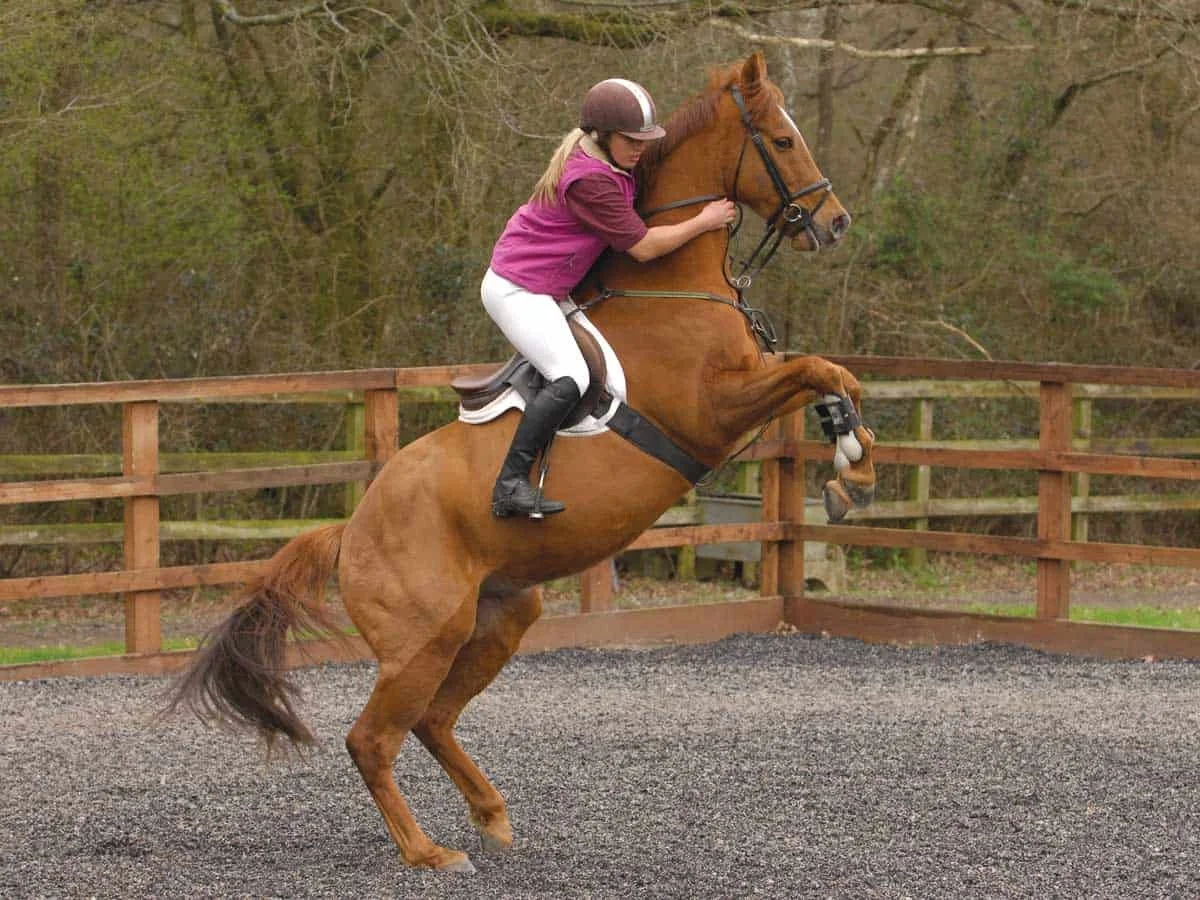
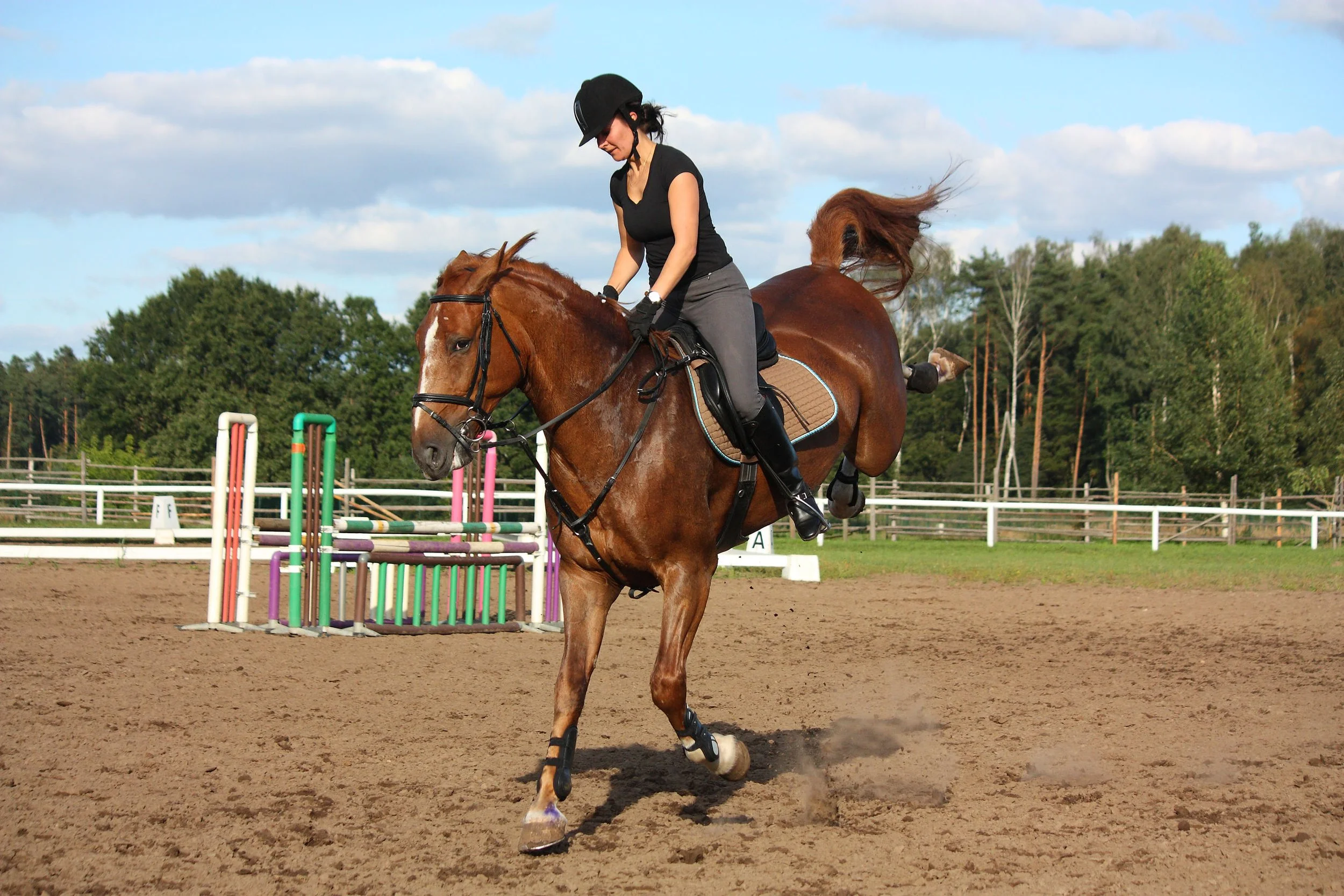
A spook does not always look dramatic from the outside, but it almost always feels dramatic from the saddle. Sometimes it is just a quick skin flinch, like a ripple under you. Your body registers it before your brain does, but your hands, legs, and seat stay steady. Other times, you are walking along and it feels like the horse suddenly tripped in a hole, a sharp jolt as they catch themselves and keep going. That kind of moment often makes you grab the horn, the oh-$%^& strap, squeeze with your legs, or tighten your reins before you even realize you are doing it. Bigger spooks feel very different. A horse in another pasture might charge the fence with no real way to reach you, but your horse does not know that. In response, they may rear, lifting both of their front feet off the ground, leaving you holding on and hoping it does not happen twice. Other horses kick out with both hind legs, a sudden lift behind that can pitch you forward if you are not centered. And sometimes, they simply take off running, faster than you are prepared for, ignoring your hands, your voice, and your very reasonable request to stop. All of these moments fall under the same label, a spook, but each one asks something different of the rider.
Staying On vs Getting Off
One of the most important skills a rider can develop is knowing the difference between:
riding through a moment safely, and
choosing to get off intentionally.
An emergency exit is not giving up.
It is not a lack of skill.
It is a decision.
Good riders come off horses. Experienced riders come off horses. Confident riders come off horses. The difference is whether it happens by surprise or by choice.
Emergency Exits Are a Skill
Just like grooming, groundwork, or riding, emergency exits are something that can be learned, practiced, and improved.
It is not about bailing at the first sign of trouble.
It is about recognizing when the situation is escalating faster than it can be managed safely.
Knowing how to disengage, step away, and regroup keeps small moments from turning into big ones.
This is a skill riders of all ages should understand. Kids. Adults. Beginners. Experienced riders. No one is immune to gravity.
Emergency dismounting was one of the very first things Ashley taught me, long before I thought I would ever need it. Like many skills, it is easy to forget to practice when everything is going smoothly. This week was a clear reminder that it is time to dust that one off and put it back in the regular rotation. In fact, it is something that Bee and I have never worked on.
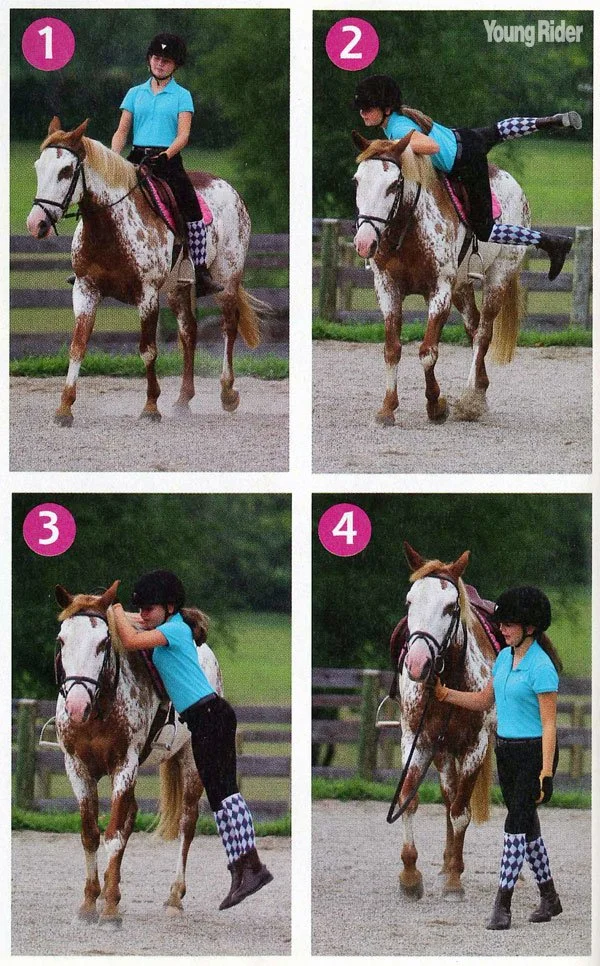
Emergency Dismount
Kicking both feet out of stirrups
Placing hands on the horse's neck/saddle for support, leaning forward, and swinging your legs over the back to land on your feet
Landing facing forward with bent knees and immediately stepping away while letting go of the reins to avoid being dragged or tangled
Safe landing
Here’s a good video if you want to see what emergency dismounting and practice look like: HOW TO EMERGENCY DISMOUNT OFF A HORSE| Preparing both Horse & Rider
What Watching Others Taught Me This Week
Watching and hearing about those falls reminded me of a few important truths.
First, horses do not owe us a perfect ride.
Second, even the calmest horses have off moments.
And third, confidence does not come from never falling. It comes from knowing you can handle yourself if you do.
It also reinforced something I am working on with understanding Bee. Paying attention to her signs before a spook becomes a problem. A change in breathing. A stiffening through the body. Movement of her ears. A head turn. A sudden stop mid-lope. A few steps sideways. A hesitation that says something is brewing.
Those moments are information, not defiance.
Real Life Riding Is Not a Bubble
We do not ride in a perfectly controlled environment. And honestly, that is a good thing.
Real life riding prepares both horse and rider to handle the unexpected. It builds trust, adaptability, and awareness. It also requires humility and the willingness to say, today we are practicing safety, not pushing limits.
Some days progress looks like miles.
Some days it looks like listening sooner.
Some days it looks like getting off before things go sideways.
One thing this whole experience reinforced for me is that I am constantly asking Bee to do the hard things. The scary things. The things she would absolutely prefer to avoid. That lane that stopped us cold not long ago? We have conquered it. No hesitation. No stopping. No circling. No reminders about who is in charge. I point her down the lane and she goes. What still catches her eye is the dilapidated barn at the end and the equipment being used to reshape the property. So every day, we go there. We look at it. We inspect it. We work circles around it until she understands that standing still and being a looky-lou is far more uncomfortable than simply walking on by like it is no big deal. And that is the real update. We did not just conquer a lane. We practiced how to handle spooky things, because spooky things are everywhere and they do not get solved once. They get worked through, calmly and consistently, every single day. Because horses do not run out of opinions, obstacles, or spooky ideas. They just give us daily opportunities to practice.
The Takeaway
If you ride horses, you will eventually hit the dirt. That is not a matter of if. It is when.
The goal is not to avoid it forever. The goal is to learn how to minimize risk, respond calmly, and keep both horse and rider safe.
This week was a good reminder that riding is not about perfection. It is about preparation.
And sometimes the bravest, smartest move you can make is knowing when to hit the emergency exit.
Until next time,
Christina & Bee 🐝💛